Choosing plastic surgery is a highly personal decision. Whether you are considering a subtle facial refinement, changes to the breasts, or body contouring after pregnancy or weight loss, understanding your surgical options is an important first step.
Modern plastic surgery is not built around a one-size-fits-all approach. Every patient has different anatomy, concerns, health considerations, expectations, and aesthetic goals. For that reason, a successful surgical plan begins with education and a detailed consultation with an appropriately qualified plastic surgeon.
At The Pennsylvania Centre for Plastic Surgery, patients from Philadelphia, Plymouth Meeting, and communities throughout the Delaware Valley can explore a range of surgical options for the face, breasts, and body. The practice is led by Dr. Scott A. Brenman, a board-certified plastic surgeon and Fellow of the American College of Surgeons.
If you are researching plastic surgery in Philadelphia or Plymouth Meeting, PA, this guide explains common surgical procedures, what to expect from the consultation process, recovery considerations, and how to approach your decision with realistic expectations.
What Is Plastic Surgery?
Plastic surgery includes procedures designed to restore, reshape, refine, or reconstruct different areas of the body.
Within aesthetic plastic surgery, procedures may be performed to address concerns related to aging, genetics, pregnancy, weight changes, facial proportions, breast shape, or body contour.
Some procedures focus primarily on one area. Others may be combined when appropriate to create a more comprehensive treatment plan.
The Pennsylvania Centre for Plastic Surgery currently offers surgical options that include facial procedures, breast surgery, body contouring, tummy tuck, liposuction, mommy makeover, and additional cosmetic procedures.
The procedure that makes sense for one patient may not be suitable for another, which is why an individualized consultation is essential.
Facial Plastic Surgery Options
The face is often one of the first areas where people notice signs of aging.
Changes in skin elasticity, facial fat, underlying tissues, and facial structure can gradually affect the cheeks, jawline, eyelids, neck, and overall facial balance.
Facial plastic surgery may address these concerns by modifying skin, soft tissue, or underlying structures depending on the procedure.
Facelift Surgery
A facelift, medically known as rhytidectomy, is intended to address visible signs of facial aging.
Patients frequently consider facelift surgery when they are concerned about issues such as:
- Sagging facial tissues
- Jowls along the jawline
- Loose skin
- Changes in cheek contour
- Decreased definition between the face and neck
- Deeper facial folds
Facelift surgery generally works by repositioning underlying facial tissues and addressing excess skin rather than simply tightening the surface.
The Pennsylvania Centre for Plastic Surgery offers facelift procedures, and the practice notes that facelift and neck lift surgery may sometimes be considered separately or together depending on the patient’s concerns.
A consultation helps determine the appropriate surgical approach based on facial anatomy and the degree of correction desired.
Neck Lift
Aging does not occur only in the face.
Loose skin, changes in the underlying neck tissues, and loss of jawline definition can make the neck appear older even when the upper face remains relatively youthful.
A neck lift may help address excess skin and changes affecting the contour of the neck and jawline.
Depending on a patient’s anatomy, a neck lift may be performed alone or considered together with another facial procedure.
Blepharoplasty
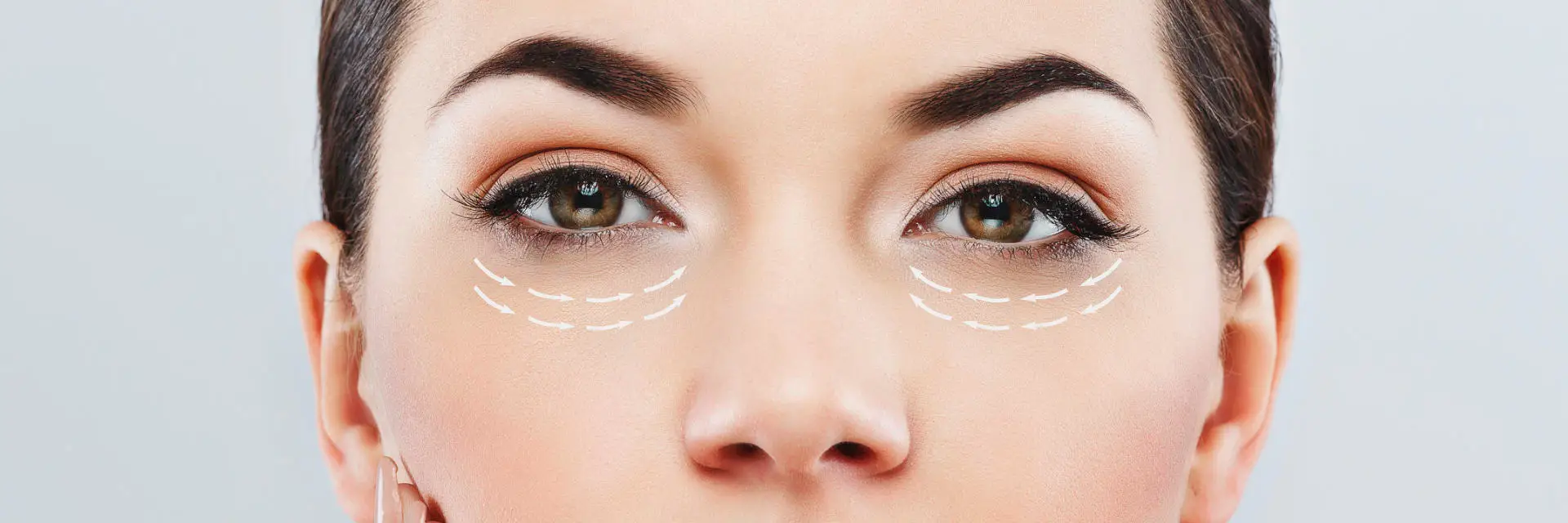
Blepharoplasty, or eyelid surgery, is designed to address age-related or hereditary changes around the upper or lower eyelids.
Patients may consider eyelid surgery because of:
- Excess upper eyelid skin
- Fullness or puffiness around the eyes
- Lower eyelid bags
- A tired or heavy appearance around the eyes
The goal is typically a refreshed appearance while preserving the natural characteristics of the patient’s eyes.
Recovery varies depending on whether upper eyelids, lower eyelids, or both are treated.
Rhinoplasty
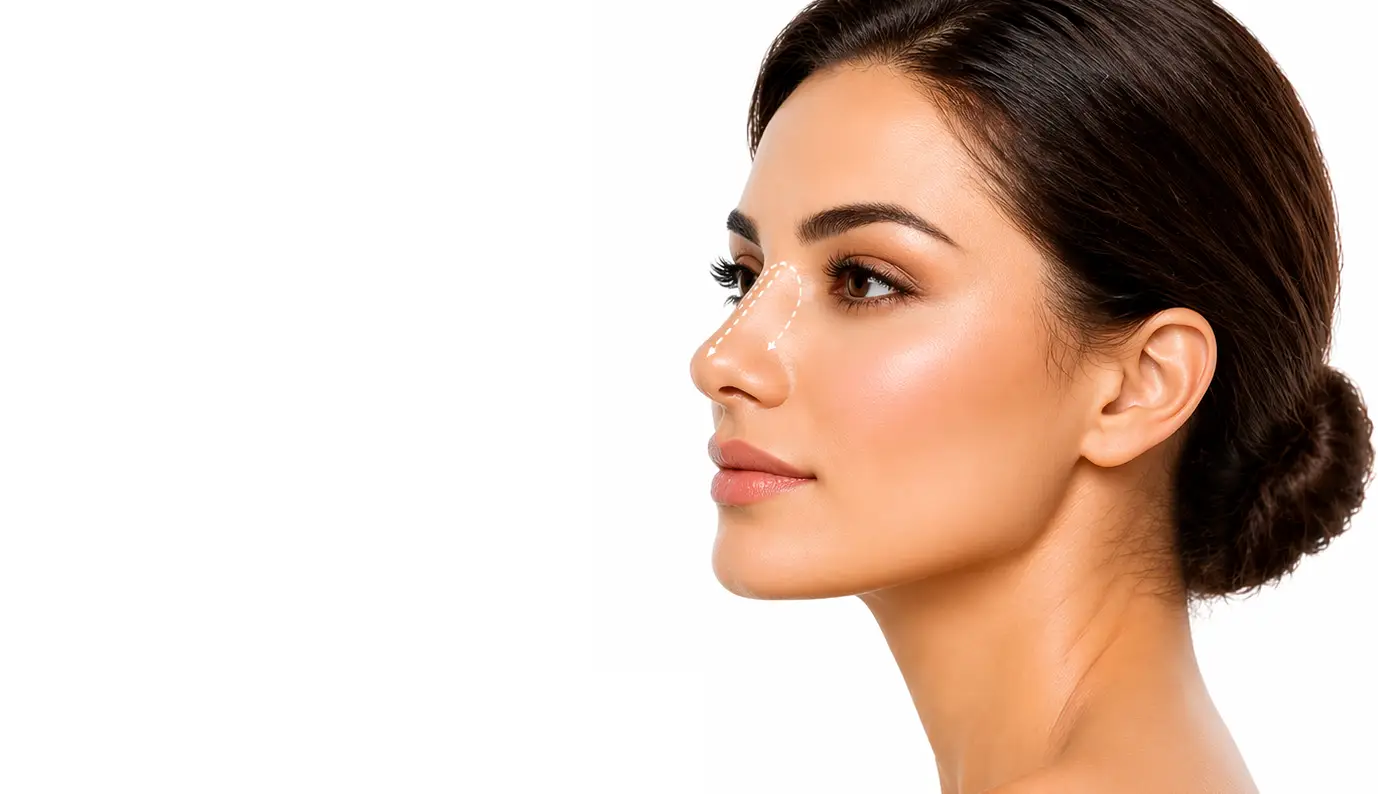
Rhinoplasty is surgery performed to modify the shape or proportions of the nose.
Some patients pursue rhinoplasty because of concerns about the bridge, tip, width, projection, or overall relationship of the nose to other facial features.
The Pennsylvania Centre for Plastic Surgery offers rhinoplasty for patients interested in refining the size, shape, or balance of the nose.
Good rhinoplasty planning involves more than looking at the nose independently. Facial proportions, existing nasal anatomy, skin characteristics, and the patient’s goals all need to be considered.
Brow Lift, Otoplasty, and Chin Enhancement
Other surgical facial options offered by the practice include brow lift, otoplasty, chin augmentation, lip and cheek enhancement, and additional facial procedures.
A brow lift may address a low or descended brow position.
Otoplasty can change the position, proportion, or appearance of the ears.
Chin augmentation may be considered when the chin appears small or less projected in relation to other facial features.
Because facial features work together visually, treatment planning should consider the face as a whole.
Breast Surgery Options
Breast appearance can change because of genetics, pregnancy, breastfeeding, aging, hormonal influences, or weight fluctuations.
Some patients want more volume, while others want less volume. Some primarily want to improve breast position or symmetry.
The Pennsylvania Centre for Plastic Surgery lists breast augmentation, breast lift, breast reduction, limited breast fat transfer, and gynecomastia treatment among its breast procedures.
Breast Augmentation
Breast augmentation is performed to increase or restore breast volume.
Patients may consider augmentation because they naturally have smaller breasts or have experienced volume loss after pregnancy, breastfeeding, aging, or weight changes.
Treatment planning involves several considerations, including:
- Desired breast size
- Chest dimensions
- Existing breast tissue
- Skin quality
- Breast symmetry
- Implant characteristics when implants are used
- Desired overall proportions
The goal should be a result appropriate for the patient’s individual anatomy rather than selecting a breast size based solely on another person’s appearance.
Breast Lift
A breast lift, or mastopexy, focuses primarily on breast position and shape rather than simply increasing volume.
Pregnancy, breastfeeding, aging, gravity, and weight changes may gradually stretch breast skin and contribute to sagging.
During breast lift surgery, excess skin may be removed and the breast tissue repositioned to create a more elevated contour.
Some patients may benefit from breast lift surgery alone, while others may discuss combining a lift with augmentation depending on their anatomy and desired volume.
Breast Reduction
Large or disproportionately heavy breasts can affect both appearance and daily comfort for some individuals.
Breast reduction surgery removes selected breast tissue and skin while reshaping the remaining breast.
Patients may consider reduction when breast size contributes to concerns about proportion, activity, clothing, or physical discomfort.
Candidacy and the amount of reduction appropriate for a particular patient must be determined through an individual surgical evaluation.
Gynecomastia Surgery
Gynecomastia refers to excess breast tissue in men.
The appropriate treatment varies depending on whether the fullness is primarily caused by glandular tissue, fat, skin, or a combination of these factors.
The Pennsylvania Centre for Plastic Surgery includes gynecomastia treatment among its available breast procedures.
Body Contouring Plastic Surgery
Diet and exercise play essential roles in overall health and body composition, but they cannot always correct loose skin, separated abdominal muscles, or specific areas of localized fat.
This is where body-contouring surgery may be considered.
Dr. Brenman’s practice currently lists options including tummy tuck, liposuction, SmartLipo, arm lift, thigh lift, body lift, mommy makeover, calf augmentation, and ultrasound-guided BBL.
Tummy Tuck Surgery
A tummy tuck, or abdominoplasty, addresses changes in the abdominal area.
Patients commonly explore tummy tuck surgery following:
- Pregnancy
- Significant weight loss
- Aging
- Changes in abdominal skin elasticity
- Abdominal muscle separation
During abdominoplasty, excess abdominal skin may be removed and, when appropriate, separated abdominal muscles can be addressed.
Tummy tuck surgery should not be confused with a weight-loss procedure. It is primarily a body-contouring operation.
For patients who are near a stable body weight but remain concerned about loose abdominal skin or contour, consultation can help determine whether abdominoplasty is appropriate.
Liposuction
Liposuction removes selected deposits of subcutaneous fat to improve body contour.
Common treatment areas may include the abdomen, waist, hips, thighs, back, arms, or other appropriate areas.
One important distinction is that liposuction is not designed as a substitute for general weight loss.
Its purpose is body contouring.
Patients with localized areas of fat that remain despite healthy lifestyle habits may be potential candidates.
The practice offers both traditional liposuction and SmartLipo and explains that the appropriate method depends on factors including treatment area, fat distribution, skin characteristics, health, and individual goals.
Mommy Makeover
Pregnancy can produce changes in several areas of the body at the same time.
A mommy makeover is not one standardized operation. Instead, it describes a customized combination of procedures designed around an individual patient’s post-pregnancy concerns.
Possible procedures may involve the breasts, abdomen, or body contour.
For example, a treatment plan could potentially include a tummy tuck together with a breast procedure or liposuction.
The Pennsylvania Centre for Plastic Surgery notes that mommy makeover procedures may be combined or staged depending on the patient’s health, goals, and recovery considerations.
Body Contouring After Weight Loss
Significant weight reduction can improve health and quality of life, but it may also leave behind loose skin that does not contract completely.
Post-weight-loss body contouring may address excess skin in areas such as the abdomen, arms, thighs, or other parts of the body.
Patients considering these procedures are generally evaluated for weight stability, overall health, skin quality, treatment goals, and their ability to safely recover from surgery.
Surgical vs. Nonsurgical Cosmetic Treatment
One common question is whether surgery is actually necessary.
The answer depends on what you are trying to change.
Nonsurgical treatments may provide useful improvement when a patient wants a more modest change, has limited signs of aging, or wants to avoid surgical recovery.
However, nonsurgical procedures cannot always reproduce the structural changes possible with surgery.
For example, an injectable cannot remove a significant amount of loose abdominal skin, and many nonsurgical facial treatments cannot reposition descended facial tissues to the same degree as surgical procedures.
The Pennsylvania Centre for Plastic Surgery offers both surgical and selected nonsurgical options, allowing these approaches to be compared during consultation according to the patient’s anatomy, desired change, health, and recovery preferences.
Who Is a Candidate for Plastic Surgery?
There is no universal checklist that automatically determines whether someone should undergo cosmetic surgery.
In general, candidacy depends on factors such as:
- Overall health
- Medical history
- Current medications
- Smoking or nicotine use
- The procedure being considered
- Anatomy
- Expectations
- Ability to follow pre- and postoperative instructions
- Understanding of the potential risks and recovery
An in-person consultation allows these factors to be evaluated together.
Being medically healthy does not necessarily mean every procedure is appropriate, and wanting a particular procedure does not mean it will necessarily produce the change someone expects.
That is why realistic treatment planning is so important.
Why Board Certification Matters
Choosing who performs your surgery is one of the most important parts of the process.
The American Society of Plastic Surgeons advises patients to look for surgeons with appropriate board certification and training. ASPS member surgeons must meet defined requirements related to training, certification, continuing education, ethics, and surgical-facility standards.
Dr. Scott Brenman is identified by his practice as a board-certified plastic surgeon and Fellow of the American College of Surgeons. His training listed on the practice website includes a five-year general surgery residency at Pennsylvania Hospital, plastic surgery residency training at Duke University Medical Center, and a Hand and Microsurgery Fellowship at the University of Louisville.
The practice also lists hospital or surgical privileges at Pennsylvania Hospital, Chestnut Hill Hospital, and Abington Surgical Center.
What to Expect During a Plastic Surgery Consultation
Your consultation is an opportunity to do more than simply choose a procedure.
A thorough discussion may include:
- What specifically you want to change
- Why you are considering surgery
- Your medical history
- Previous surgeries
- Medications and supplements
- Allergies
- Current health conditions
- Expectations
- Procedure options
- Surgical technique
- Anesthesia
- Scarring
- Recovery
- Potential risks and complications
- Expected limitations during recovery
ASPS also encourages prospective patients to ask about board certification, procedure-specific experience, surgical facility credentials, expected recovery, potential complications, and realistic results.
Do not hesitate to ask questions. An informed patient is better prepared to decide whether a particular procedure fits their goals.
Understanding Plastic Surgery Recovery
Recovery varies significantly from one operation to another.
A patient recovering from a limited eyelid procedure will have a very different experience from someone recovering from abdominoplasty or multiple combined procedures.
Factors influencing recovery can include:
- Procedure type
- Extent of surgery
- Individual healing
- Overall health
- Age
- Smoking status
- Physical activity
- Whether procedures are combined
- Compliance with postoperative instructions
Patients should make practical arrangements for time away from work, transportation, household responsibilities, childcare, and temporary restrictions on exercise or lifting when appropriate.
The specific recovery plan provided by the surgeon should always take priority over generalized online recovery timelines.
Plastic Surgery Safety
Every surgical procedure has potential risks.
Possible risks vary by procedure but may include bleeding, infection, scarring, anesthesia-related complications, delayed healing, changes in sensation, asymmetry, or the possibility of additional treatment.
These risks should be discussed before surgery.
The surgical environment also matters. ASPS states that accredited facilities must meet standards involving operating-room safety, equipment, personnel, and surgeon credentials.
Patients should therefore discuss not only what procedure will be performed but also where it will be performed and what safety protocols are in place.
How Long Do Plastic Surgery Results Last?
There is no single answer.
Some surgical changes can remain visible for many years, but surgery does not stop the natural aging process.
Factors such as:
- Aging
- Genetics
- Weight changes
- Pregnancy
- Sun exposure
- Lifestyle
- Skin quality
can continue to affect appearance over time.
Maintaining a stable weight, protecting your skin from excessive sun exposure, avoiding smoking, and following your surgeon’s postoperative recommendations may help support long-term results.
The goal of surgery should not be perfection or stopping aging. It should be an appropriate, realistic improvement based on your anatomy and goals.
Plastic Surgery in Philadelphia and Plymouth Meeting, PA
Patients considering plastic surgery in Philadelphia, PA, or plastic surgery in Plymouth Meeting, PA, can schedule a consultation with The Pennsylvania Centre for Plastic Surgery to discuss facial, breast, and body procedures.
The practice currently has offices at:
Philadelphia Office
822 Pine Street, Suite 3B
Philadelphia, PA 19107
Plymouth Meeting Office
531 W Germantown Pike, Suite 100
Plymouth Meeting, PA 19462
The practice serves Philadelphia and the surrounding Delaware Valley.
Frequently Asked Questions About Plastic Surgery
How do I know which plastic surgery procedure is right for me?
The appropriate procedure depends on the area you want to address, your anatomy, health, desired degree of change, and expectations. A consultation with a qualified plastic surgeon allows these factors to be evaluated together.
Can several plastic surgery procedures be combined?
Sometimes. Certain procedures may be performed together, while others may be safer or more practical when staged separately. Dr. Brenman’s practice notes that multiple concerns can be discussed during one consultation and that the appropriateness of combining procedures depends on the individual patient.
Is plastic surgery permanent?
Some structural changes may be long-lasting, but your body will continue to age. Weight fluctuations, pregnancy, lifestyle, and genetics can also influence results over time.
Does cosmetic surgery leave scars?
Any surgical incision can produce a scar. The location and appearance depend on the procedure, surgical technique, healing characteristics, and postoperative care. Your surgeon should explain expected incision locations during consultation.
How long will I need to take off work?
That depends on the procedure, your occupation, and your healing. Some procedures require relatively short downtime, while larger body-contouring operations may require more recovery time.
When can I exercise after surgery?
Activity restrictions vary by procedure. Follow your surgeon’s individual postoperative instructions rather than relying on a generalized timeline.
How should I choose a plastic surgeon?
Important considerations include appropriate board certification, plastic-surgery training, procedure experience, hospital privileges, the surgical facility, communication, before-and-after photographs, and whether expectations are discussed realistically. ASPS provides similar guidance for patients researching a surgeon.
Take the Next Step
Plastic surgery can offer many possibilities, but selecting a procedure should begin with accurate information rather than trends, social media, or another person’s results.
Whether you are exploring facial plastic surgery, breast surgery, tummy tuck, liposuction, mommy makeover, or another surgical procedure, the right treatment plan should reflect your individual anatomy, health, priorities, and expectations.
At The Pennsylvania Centre for Plastic Surgery, Dr. Scott A. Brenman provides surgical consultations for patients in Philadelphia, Plymouth Meeting, and throughout the surrounding Delaware Valley.
Request a consultation to discuss your concerns, review your surgical options, and develop an individualized treatment plan.
This article is for general educational purposes and does not replace individualized medical advice. Surgical candidacy, risks, recovery, and expected outcomes vary from patient to patient and should be reviewed during a personal consultation.