
Otoplasty
THE ART OF PLASTIC SURGERY
Serving Philadelphia and the
surrounding Delaware Valley
Otoplasty
If you were born with deformed ears or have ears that are too large for your facial features, you might be a good candidate for otoplasty. This surgical procedure can help reshape and resize ears so that patients feel more confident about their appearance.
At The Pennsylvania Centre for Plastic Surgery in Philadelphia and Plymouth Meeting, PA, our board-certified plastic surgeon Dr. Scott A. Brenman specializes in otoplasty surgical procedures.
Consultations Are Available Now
What is an Otoplasty?
Candidates for an Otoplasty
How Does It Work?
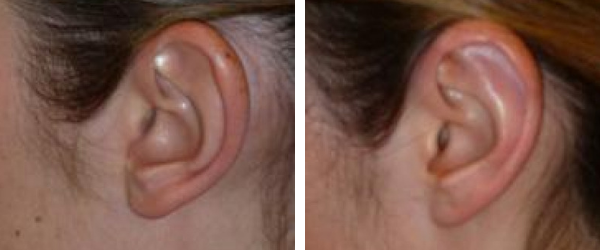
Results*
Recovery*
Take the First Step – Request A Consultation
If you would like to schedule an in-person consultation, please fill out the form on this page and one of our knowledgeable medical staff members at The Pennsylvania Centre for Plastic Surgery will reach out to you promptly. You can also call our Philadelphia, PA office directly to schedule – (267) 687- 2180.
The Pennsylvania Centre for Plastic Surgery serves the greater Philadelphia, PA area.
*Individual results may vary
Frequently Asked Questions
Otoplasty Basics
Otoplasty is surgery designed to adjust the size, shape, or position of the ears. A consultation can clarify how this information applies to your anatomy, health, and goals.
Patients may explore otoplasty when the appearance or structure of the ears affects facial balance or personal confidence. The most appropriate option is determined individually.
Otoplasty is surgery designed to adjust the size, shape, or position of the ears. The practice can provide more detail after examining the ears and learning what the patient hopes to achieve.
The available changes depend on the concern being treated and the ear’s existing structure. Otoplasty planning may involve size, shape, position, proportion, or a combination of features.
Dr. Brenman can examine the ears, review medical history, and discuss the changes you hope to see and the overall balance you would like to achieve. This helps connect the patient’s concerns with suitable surgical options.
Planning is guided by ear anatomy, facial proportions, health history, age, and personal goals. The goal is to develop an approach that supports natural-looking proportion and the patient’s priorities without promising a specific result.
Important factors include ear anatomy, facial proportions, health history, age, and personal goals. These details may influence technique, timing, recovery instructions, and the type of improvement that may be realistic.
It is helpful to expect improvement that is tailored to the patient rather than an identical copy of another person’s result. Healing and final appearance vary with anatomy and the treatment plan.
Share the changes you hope to see and the overall balance you would like to achieve. A complete medical history, medication list, previous ear treatment, and any recovery concerns can also help guide the conversation.
Ask what technique may be recommended, what the procedure is designed to change, where incisions may be placed, what recovery may involve, and how results are evaluated over time.
Write down your goals and questions, gather relevant medical information, and follow any consultation instructions from the office. Parents can also note school, activity, and scheduling needs for a child.
Recovery guidance is tailored to the procedure and patient. The team can explain comfort measures, swelling, headwear when applicable, activity limits, follow-up visits, and the expected return to routine.
Yes. Age, ear development, daily activities, communication needs, and family support may shape the discussion. The practice can explain age-appropriate planning during consultation.
Contact the practice whenever you would like personalized information, want to understand your options, or are ready to arrange an evaluation. The team can help you identify the next appropriate step.
Patients can review the otoplasty information on DrBrenman.com and request a consultation with the Philadelphia or Plymouth Meeting office for individualized guidance about otoplasty.
Ear Size Concerns
Patients who feel their ears appear large in relation to their facial features may be evaluated for otoplasty. A consultation can clarify how this information applies to your anatomy, health, and goals.
Patients may explore concerns about ear size when the appearance or structure of the ears affects facial balance or personal confidence. The most appropriate option is determined individually.
Patients who feel their ears appear large in relation to their facial features may be evaluated for otoplasty. The practice can provide more detail after examining the ears and learning what the patient hopes to achieve.
The available changes depend on the concern being treated and the ear’s existing structure. Otoplasty planning may involve size, shape, position, proportion, or a combination of features.
Dr. Brenman can examine the ears, review medical history, and discuss what feels out of proportion and what type of change would feel natural to you. This helps connect the patient’s concerns with suitable surgical options.
Planning is guided by ear measurements, cartilage structure, facial proportions, age, and individual preferences. The goal is to develop an approach that supports natural-looking proportion and the patient’s priorities without promising a specific result.
Important factors include ear measurements, cartilage structure, facial proportions, age, and individual preferences. These details may influence technique, timing, recovery instructions, and the type of improvement that may be realistic.
It is helpful to expect improvement that is tailored to the patient rather than an identical copy of another person’s result. Healing and final appearance vary with anatomy and the treatment plan.
Share what feels out of proportion and what type of change would feel natural to you. A complete medical history, medication list, previous ear treatment, and any recovery concerns can also help guide the conversation.
Ask what technique may be recommended, what the procedure is designed to change, where incisions may be placed, what recovery may involve, and how results are evaluated over time.
Write down your goals and questions, gather relevant medical information, and follow any consultation instructions from the office. Parents can also note school, activity, and scheduling needs for a child.
Recovery guidance is tailored to the procedure and patient. The team can explain comfort measures, swelling, headwear when applicable, activity limits, follow-up visits, and the expected return to routine.
Yes. Age, ear development, daily activities, communication needs, and family support may shape the discussion. The practice can explain age-appropriate planning during consultation.
Contact the practice whenever you would like personalized information, want to understand your options, or are ready to arrange an evaluation. The team can help you identify the next appropriate step.
Patients can review the otoplasty information on DrBrenman.com and request a consultation with the Philadelphia or Plymouth Meeting office for individualized guidance about concerns about ear size.
Ear Shape Concerns
Otoplasty may address ears that are misshapen or have structural differences, depending on the patient’s anatomy and goals. A consultation can clarify how this information applies to your anatomy, health, and goals.
Patients may explore concerns about ear shape when the appearance or structure of the ears affects facial balance or personal confidence. The most appropriate option is determined individually.
Otoplasty may address ears that are misshapen or have structural differences, depending on the patient’s anatomy and goals. The practice can provide more detail after examining the ears and learning what the patient hopes to achieve.
The available changes depend on the concern being treated and the ear’s existing structure. Otoplasty planning may involve size, shape, position, proportion, or a combination of features.
Dr. Brenman can examine the ears, review medical history, and discuss the specific parts of the ear shape you would like to discuss. This helps connect the patient’s concerns with suitable surgical options.
Planning is guided by the location and type of cartilage difference, symmetry, skin, and desired contour. The goal is to develop an approach that supports natural-looking proportion and the patient’s priorities without promising a specific result.
Important factors include the location and type of cartilage difference, symmetry, skin, and desired contour. These details may influence technique, timing, recovery instructions, and the type of improvement that may be realistic.
It is helpful to expect improvement that is tailored to the patient rather than an identical copy of another person’s result. Healing and final appearance vary with anatomy and the treatment plan.
Share the specific parts of the ear shape you would like to discuss. A complete medical history, medication list, previous ear treatment, and any recovery concerns can also help guide the conversation.
Ask what technique may be recommended, what the procedure is designed to change, where incisions may be placed, what recovery may involve, and how results are evaluated over time.
Write down your goals and questions, gather relevant medical information, and follow any consultation instructions from the office. Parents can also note school, activity, and scheduling needs for a child.
Recovery guidance is tailored to the procedure and patient. The team can explain comfort measures, swelling, headwear when applicable, activity limits, follow-up visits, and the expected return to routine.
Yes. Age, ear development, daily activities, communication needs, and family support may shape the discussion. The practice can explain age-appropriate planning during consultation.
Contact the practice whenever you would like personalized information, want to understand your options, or are ready to arrange an evaluation. The team can help you identify the next appropriate step.
Patients can review the otoplasty information on DrBrenman.com and request a consultation with the Philadelphia or Plymouth Meeting office for individualized guidance about concerns about ear shape.
Congenital Ear Differences
Patients born with ear differences may be considered for otoplasty after an individualized evaluation. A consultation can clarify how this information applies to your anatomy, health, and goals.
Patients may explore ear differences present from birth when the appearance or structure of the ears affects facial balance or personal confidence. The most appropriate option is determined individually.
Patients born with ear differences may be considered for otoplasty after an individualized evaluation. The practice can provide more detail after examining the ears and learning what the patient hopes to achieve.
The available changes depend on the concern being treated and the ear’s existing structure. Otoplasty planning may involve size, shape, position, proportion, or a combination of features.
Dr. Brenman can examine the ears, review medical history, and discuss the history of the ear difference and the changes you hope surgery may provide. This helps connect the patient’s concerns with suitable surgical options.
Planning is guided by the type of difference, ear development, hearing-related history, age, and treatment goals. The goal is to develop an approach that supports natural-looking proportion and the patient’s priorities without promising a specific result.
Important factors include the type of difference, ear development, hearing-related history, age, and treatment goals. These details may influence technique, timing, recovery instructions, and the type of improvement that may be realistic.
It is helpful to expect improvement that is tailored to the patient rather than an identical copy of another person’s result. Healing and final appearance vary with anatomy and the treatment plan.
Share the history of the ear difference and the changes you hope surgery may provide. A complete medical history, medication list, previous ear treatment, and any recovery concerns can also help guide the conversation.
Ask what technique may be recommended, what the procedure is designed to change, where incisions may be placed, what recovery may involve, and how results are evaluated over time.
Write down your goals and questions, gather relevant medical information, and follow any consultation instructions from the office. Parents can also note school, activity, and scheduling needs for a child.
Recovery guidance is tailored to the procedure and patient. The team can explain comfort measures, swelling, headwear when applicable, activity limits, follow-up visits, and the expected return to routine.
Yes. Age, ear development, daily activities, communication needs, and family support may shape the discussion. The practice can explain age-appropriate planning during consultation.
Contact the practice whenever you would like personalized information, want to understand your options, or are ready to arrange an evaluation. The team can help you identify the next appropriate step.
Patients can review the otoplasty information on DrBrenman.com and request a consultation with the Philadelphia or Plymouth Meeting office for individualized guidance about ear differences present from birth.
Ear Changes After Injury
The practice notes that otoplasty may be considered when an injury has changed the shape of an ear. A consultation can clarify how this information applies to your anatomy, health, and goals.
Patients may explore ear changes following an injury when the appearance or structure of the ears affects facial balance or personal confidence. The most appropriate option is determined individually.
The practice notes that otoplasty may be considered when an injury has changed the shape of an ear. The practice can provide more detail after examining the ears and learning what the patient hopes to achieve.
The available changes depend on the concern being treated and the ear’s existing structure. Otoplasty planning may involve size, shape, position, proportion, or a combination of features.
Dr. Brenman can examine the ears, review medical history, and discuss when the injury occurred, how it healed, and what concerns remain. This helps connect the patient’s concerns with suitable surgical options.
Planning is guided by the nature of the injury, scar tissue, cartilage support, healing history, and current symptoms. The goal is to develop an approach that supports natural-looking proportion and the patient’s priorities without promising a specific result.
Important factors include the nature of the injury, scar tissue, cartilage support, healing history, and current symptoms. These details may influence technique, timing, recovery instructions, and the type of improvement that may be realistic.
It is helpful to expect improvement that is tailored to the patient rather than an identical copy of another person’s result. Healing and final appearance vary with anatomy and the treatment plan.
Share when the injury occurred, how it healed, and what concerns remain. A complete medical history, medication list, previous ear treatment, and any recovery concerns can also help guide the conversation.
Ask what technique may be recommended, what the procedure is designed to change, where incisions may be placed, what recovery may involve, and how results are evaluated over time.
Write down your goals and questions, gather relevant medical information, and follow any consultation instructions from the office. Parents can also note school, activity, and scheduling needs for a child.
Recovery guidance is tailored to the procedure and patient. The team can explain comfort measures, swelling, headwear when applicable, activity limits, follow-up visits, and the expected return to routine.
Yes. Age, ear development, daily activities, communication needs, and family support may shape the discussion. The practice can explain age-appropriate planning during consultation.
Contact the practice whenever you would like personalized information, want to understand your options, or are ready to arrange an evaluation. The team can help you identify the next appropriate step.
Patients can review the otoplasty information on DrBrenman.com and request a consultation with the Philadelphia or Plymouth Meeting office for individualized guidance about ear changes following an injury.
Facial Proportion
Otoplasty may reshape or resize ears so they appear more balanced with the patient’s facial features. A consultation can clarify how this information applies to your anatomy, health, and goals.
Patients may explore ear and facial proportion when the appearance or structure of the ears affects facial balance or personal confidence. The most appropriate option is determined individually.
Otoplasty may reshape or resize ears so they appear more balanced with the patient’s facial features. The practice can provide more detail after examining the ears and learning what the patient hopes to achieve.
The available changes depend on the concern being treated and the ear’s existing structure. Otoplasty planning may involve size, shape, position, proportion, or a combination of features.
Dr. Brenman can examine the ears, review medical history, and discuss the proportions you would like to refine while maintaining a natural appearance. This helps connect the patient’s concerns with suitable surgical options.
Planning is guided by ear position, size, shape, facial structure, and the patient’s aesthetic preferences. The goal is to develop an approach that supports natural-looking proportion and the patient’s priorities without promising a specific result.
Important factors include ear position, size, shape, facial structure, and the patient’s aesthetic preferences. These details may influence technique, timing, recovery instructions, and the type of improvement that may be realistic.
It is helpful to expect improvement that is tailored to the patient rather than an identical copy of another person’s result. Healing and final appearance vary with anatomy and the treatment plan.
Share the proportions you would like to refine while maintaining a natural appearance. A complete medical history, medication list, previous ear treatment, and any recovery concerns can also help guide the conversation.
Ask what technique may be recommended, what the procedure is designed to change, where incisions may be placed, what recovery may involve, and how results are evaluated over time.
Write down your goals and questions, gather relevant medical information, and follow any consultation instructions from the office. Parents can also note school, activity, and scheduling needs for a child.
Recovery guidance is tailored to the procedure and patient. The team can explain comfort measures, swelling, headwear when applicable, activity limits, follow-up visits, and the expected return to routine.
Yes. Age, ear development, daily activities, communication needs, and family support may shape the discussion. The practice can explain age-appropriate planning during consultation.
Contact the practice whenever you would like personalized information, want to understand your options, or are ready to arrange an evaluation. The team can help you identify the next appropriate step.
Patients can review the otoplasty information on DrBrenman.com and request a consultation with the Philadelphia or Plymouth Meeting office for individualized guidance about ear and facial proportion.
Candidate Evaluation
Potential candidates may be concerned about ear appearance and are generally expected to be healthy, avoid smoking, and have realistic goals. A consultation can clarify how this information applies to your anatomy, health, and goals.
Patients may explore otoplasty candidacy when the appearance or structure of the ears affects facial balance or personal confidence. The most appropriate option is determined individually.
Potential candidates may be concerned about ear appearance and are generally expected to be healthy, avoid smoking, and have realistic goals. The practice can provide more detail after examining the ears and learning what the patient hopes to achieve.
The available changes depend on the concern being treated and the ear’s existing structure. Otoplasty planning may involve size, shape, position, proportion, or a combination of features.
Dr. Brenman can examine the ears, review medical history, and discuss your health history, lifestyle, motivations, and desired outcome. This helps connect the patient’s concerns with suitable surgical options.
Planning is guided by overall health, nicotine use, healing considerations, age, anatomy, and expectations. The goal is to develop an approach that supports natural-looking proportion and the patient’s priorities without promising a specific result.
Important factors include overall health, nicotine use, healing considerations, age, anatomy, and expectations. These details may influence technique, timing, recovery instructions, and the type of improvement that may be realistic.
It is helpful to expect improvement that is tailored to the patient rather than an identical copy of another person’s result. Healing and final appearance vary with anatomy and the treatment plan.
Share your health history, lifestyle, motivations, and desired outcome. A complete medical history, medication list, previous ear treatment, and any recovery concerns can also help guide the conversation.
Ask what technique may be recommended, what the procedure is designed to change, where incisions may be placed, what recovery may involve, and how results are evaluated over time.
Write down your goals and questions, gather relevant medical information, and follow any consultation instructions from the office. Parents can also note school, activity, and scheduling needs for a child.
Recovery guidance is tailored to the procedure and patient. The team can explain comfort measures, swelling, headwear when applicable, activity limits, follow-up visits, and the expected return to routine.
Yes. Age, ear development, daily activities, communication needs, and family support may shape the discussion. The practice can explain age-appropriate planning during consultation.
Contact the practice whenever you would like personalized information, want to understand your options, or are ready to arrange an evaluation. The team can help you identify the next appropriate step.
Patients can review the otoplasty information on DrBrenman.com and request a consultation with the Philadelphia or Plymouth Meeting office for individualized guidance about otoplasty candidacy.
Otoplasty for Different Ages
The practice describes otoplasty as an option for patients of different ages and notes that many people choose the procedure when they are younger. A consultation can clarify how this information applies to your anatomy, health, and goals.
Patients may explore otoplasty at different ages when the appearance or structure of the ears affects facial balance or personal confidence. The most appropriate option is determined individually.
The practice describes otoplasty as an option for patients of different ages and notes that many people choose the procedure when they are younger. The practice can provide more detail after examining the ears and learning what the patient hopes to achieve.
The available changes depend on the concern being treated and the ear’s existing structure. Otoplasty planning may involve size, shape, position, proportion, or a combination of features.
Dr. Brenman can examine the ears, review medical history, and discuss why treatment is being considered now and what timing would be most supportive. This helps connect the patient’s concerns with suitable surgical options.
Planning is guided by ear development, maturity, personal motivation, health, family support, and timing. The goal is to develop an approach that supports natural-looking proportion and the patient’s priorities without promising a specific result.
Important factors include ear development, maturity, personal motivation, health, family support, and timing. These details may influence technique, timing, recovery instructions, and the type of improvement that may be realistic.
It is helpful to expect improvement that is tailored to the patient rather than an identical copy of another person’s result. Healing and final appearance vary with anatomy and the treatment plan.
Share why treatment is being considered now and what timing would be most supportive. A complete medical history, medication list, previous ear treatment, and any recovery concerns can also help guide the conversation.
Ask what technique may be recommended, what the procedure is designed to change, where incisions may be placed, what recovery may involve, and how results are evaluated over time.
Write down your goals and questions, gather relevant medical information, and follow any consultation instructions from the office. Parents can also note school, activity, and scheduling needs for a child.
Recovery guidance is tailored to the procedure and patient. The team can explain comfort measures, swelling, headwear when applicable, activity limits, follow-up visits, and the expected return to routine.
Yes. Age, ear development, daily activities, communication needs, and family support may shape the discussion. The practice can explain age-appropriate planning during consultation.
Contact the practice whenever you would like personalized information, want to understand your options, or are ready to arrange an evaluation. The team can help you identify the next appropriate step.
Patients can review the otoplasty information on DrBrenman.com and request a consultation with the Philadelphia or Plymouth Meeting office for individualized guidance about otoplasty at different ages.
Consultation Planning
An in-person consultation allows patients or parents to discuss ear size, shape, scars, recovery, and expected results. A consultation can clarify how this information applies to your anatomy, health, and goals.
Patients may explore an otoplasty consultation when the appearance or structure of the ears affects facial balance or personal confidence. The most appropriate option is determined individually.
An in-person consultation allows patients or parents to discuss ear size, shape, scars, recovery, and expected results. The practice can provide more detail after examining the ears and learning what the patient hopes to achieve.
The available changes depend on the concern being treated and the ear’s existing structure. Otoplasty planning may involve size, shape, position, proportion, or a combination of features.
Dr. Brenman can examine the ears, review medical history, and discuss ear concerns, priorities, recovery needs, and questions about the surgical plan. This helps connect the patient’s concerns with suitable surgical options.
Planning is guided by medical history, ear anatomy, age, goals, questions, and the proposed technique. The goal is to develop an approach that supports natural-looking proportion and the patient’s priorities without promising a specific result.
Important factors include medical history, ear anatomy, age, goals, questions, and the proposed technique. These details may influence technique, timing, recovery instructions, and the type of improvement that may be realistic.
It is helpful to expect improvement that is tailored to the patient rather than an identical copy of another person’s result. Healing and final appearance vary with anatomy and the treatment plan.
Share ear concerns, priorities, recovery needs, and questions about the surgical plan. A complete medical history, medication list, previous ear treatment, and any recovery concerns can also help guide the conversation.
Ask what technique may be recommended, what the procedure is designed to change, where incisions may be placed, what recovery may involve, and how results are evaluated over time.
Write down your goals and questions, gather relevant medical information, and follow any consultation instructions from the office. Parents can also note school, activity, and scheduling needs for a child.
Recovery guidance is tailored to the procedure and patient. The team can explain comfort measures, swelling, headwear when applicable, activity limits, follow-up visits, and the expected return to routine.
Yes. Age, ear development, daily activities, communication needs, and family support may shape the discussion. The practice can explain age-appropriate planning during consultation.
Contact the practice whenever you would like personalized information, want to understand your options, or are ready to arrange an evaluation. The team can help you identify the next appropriate step.
Patients can review the otoplasty information on DrBrenman.com and request a consultation with the Philadelphia or Plymouth Meeting office for individualized guidance about an otoplasty consultation.
Outpatient Surgery
Dr. Brenman’s page describes otoplasty as an outpatient surgical procedure. A consultation can clarify how this information applies to your anatomy, health, and goals.
Patients may explore outpatient otoplasty when the appearance or structure of the ears affects facial balance or personal confidence. The most appropriate option is determined individually.
Dr. Brenman’s page describes otoplasty as an outpatient surgical procedure. The practice can provide more detail after examining the ears and learning what the patient hopes to achieve.
The available changes depend on the concern being treated and the ear’s existing structure. Otoplasty planning may involve size, shape, position, proportion, or a combination of features.
Dr. Brenman can examine the ears, review medical history, and discuss arrival and discharge instructions, transportation, home support, and follow-up care. This helps connect the patient’s concerns with suitable surgical options.
Planning is guided by the surgical plan, anesthesia, health history, recovery support, and how the patient feels after the procedure. The goal is to develop an approach that supports natural-looking proportion and the patient’s priorities without promising a specific result.
Important factors include the surgical plan, anesthesia, health history, recovery support, and how the patient feels after the procedure. These details may influence technique, timing, recovery instructions, and the type of improvement that may be realistic.
It is helpful to expect improvement that is tailored to the patient rather than an identical copy of another person’s result. Healing and final appearance vary with anatomy and the treatment plan.
Share arrival and discharge instructions, transportation, home support, and follow-up care. A complete medical history, medication list, previous ear treatment, and any recovery concerns can also help guide the conversation.
Ask what technique may be recommended, what the procedure is designed to change, where incisions may be placed, what recovery may involve, and how results are evaluated over time.
Write down your goals and questions, gather relevant medical information, and follow any consultation instructions from the office. Parents can also note school, activity, and scheduling needs for a child.
Recovery guidance is tailored to the procedure and patient. The team can explain comfort measures, swelling, headwear when applicable, activity limits, follow-up visits, and the expected return to routine.
Yes. Age, ear development, daily activities, communication needs, and family support may shape the discussion. The practice can explain age-appropriate planning during consultation.
Contact the practice whenever you would like personalized information, want to understand your options, or are ready to arrange an evaluation. The team can help you identify the next appropriate step.
Patients can review the otoplasty information on DrBrenman.com and request a consultation with the Philadelphia or Plymouth Meeting office for individualized guidance about outpatient otoplasty.
General Anesthesia
The target page states that otoplasty is performed under general anesthesia. A consultation can clarify how this information applies to your anatomy, health, and goals.
Patients may explore general anesthesia for otoplasty when the appearance or structure of the ears affects facial balance or personal confidence. The most appropriate option is determined individually.
The target page states that otoplasty is performed under general anesthesia. The practice can provide more detail after examining the ears and learning what the patient hopes to achieve.
The available changes depend on the concern being treated and the ear’s existing structure. Otoplasty planning may involve size, shape, position, proportion, or a combination of features.
Dr. Brenman can examine the ears, review medical history, and discuss who provides anesthesia, how monitoring is handled, and what instructions apply before and after surgery. This helps connect the patient’s concerns with suitable surgical options.
Planning is guided by age, health history, medications, procedure length, and the anesthesia team’s assessment. The goal is to develop an approach that supports natural-looking proportion and the patient’s priorities without promising a specific result.
Important factors include age, health history, medications, procedure length, and the anesthesia team’s assessment. These details may influence technique, timing, recovery instructions, and the type of improvement that may be realistic.
It is helpful to expect improvement that is tailored to the patient rather than an identical copy of another person’s result. Healing and final appearance vary with anatomy and the treatment plan.
Share who provides anesthesia, how monitoring is handled, and what instructions apply before and after surgery. A complete medical history, medication list, previous ear treatment, and any recovery concerns can also help guide the conversation.
Ask what technique may be recommended, what the procedure is designed to change, where incisions may be placed, what recovery may involve, and how results are evaluated over time.
Write down your goals and questions, gather relevant medical information, and follow any consultation instructions from the office. Parents can also note school, activity, and scheduling needs for a child.
Recovery guidance is tailored to the procedure and patient. The team can explain comfort measures, swelling, headwear when applicable, activity limits, follow-up visits, and the expected return to routine.
Yes. Age, ear development, daily activities, communication needs, and family support may shape the discussion. The practice can explain age-appropriate planning during consultation.
Contact the practice whenever you would like personalized information, want to understand your options, or are ready to arrange an evaluation. The team can help you identify the next appropriate step.
Patients can review the otoplasty information on DrBrenman.com and request a consultation with the Philadelphia or Plymouth Meeting office for individualized guidance about general anesthesia for otoplasty.
Skin and Cartilage Removal
Dr. Brenman may remove or reshape appropriate skin and cartilage based on the desired ear size and shape. A consultation can clarify how this information applies to your anatomy, health, and goals.
Patients may explore skin and cartilage adjustment when the appearance or structure of the ears affects facial balance or personal confidence. The most appropriate option is determined individually.
Dr. Brenman may remove or reshape appropriate skin and cartilage based on the desired ear size and shape. The practice can provide more detail after examining the ears and learning what the patient hopes to achieve.
The available changes depend on the concern being treated and the ear’s existing structure. Otoplasty planning may involve size, shape, position, proportion, or a combination of features.
Dr. Brenman can examine the ears, review medical history, and discuss which tissues may be adjusted and how the technique supports the intended ear shape. This helps connect the patient’s concerns with suitable surgical options.
Planning is guided by cartilage strength, skin, ear structure, symmetry, and the planned contour. The goal is to develop an approach that supports natural-looking proportion and the patient’s priorities without promising a specific result.
Important factors include cartilage strength, skin, ear structure, symmetry, and the planned contour. These details may influence technique, timing, recovery instructions, and the type of improvement that may be realistic.
It is helpful to expect improvement that is tailored to the patient rather than an identical copy of another person’s result. Healing and final appearance vary with anatomy and the treatment plan.
Share which tissues may be adjusted and how the technique supports the intended ear shape. A complete medical history, medication list, previous ear treatment, and any recovery concerns can also help guide the conversation.
Ask what technique may be recommended, what the procedure is designed to change, where incisions may be placed, what recovery may involve, and how results are evaluated over time.
Write down your goals and questions, gather relevant medical information, and follow any consultation instructions from the office. Parents can also note school, activity, and scheduling needs for a child.
Recovery guidance is tailored to the procedure and patient. The team can explain comfort measures, swelling, headwear when applicable, activity limits, follow-up visits, and the expected return to routine.
Yes. Age, ear development, daily activities, communication needs, and family support may shape the discussion. The practice can explain age-appropriate planning during consultation.
Contact the practice whenever you would like personalized information, want to understand your options, or are ready to arrange an evaluation. The team can help you identify the next appropriate step.
Patients can review the otoplasty information on DrBrenman.com and request a consultation with the Philadelphia or Plymouth Meeting office for individualized guidance about skin and cartilage adjustment.
Earlobe Adjustment
Selected parts of the earlobe may be addressed when appropriate for a balanced, individualized result. A consultation can clarify how this information applies to your anatomy, health, and goals.
Patients may explore earlobe adjustment when the appearance or structure of the ears affects facial balance or personal confidence. The most appropriate option is determined individually.
Selected parts of the earlobe may be addressed when appropriate for a balanced, individualized result. The practice can provide more detail after examining the ears and learning what the patient hopes to achieve.
The available changes depend on the concern being treated and the ear’s existing structure. Otoplasty planning may involve size, shape, position, proportion, or a combination of features.
Dr. Brenman can examine the ears, review medical history, and discuss whether the earlobe contributes to your concern and what options may be available. This helps connect the patient’s concerns with suitable surgical options.
Planning is guided by earlobe size, shape, attachment, symmetry, and how it relates to the rest of the ear. The goal is to develop an approach that supports natural-looking proportion and the patient’s priorities without promising a specific result.
Important factors include earlobe size, shape, attachment, symmetry, and how it relates to the rest of the ear. These details may influence technique, timing, recovery instructions, and the type of improvement that may be realistic.
It is helpful to expect improvement that is tailored to the patient rather than an identical copy of another person’s result. Healing and final appearance vary with anatomy and the treatment plan.
Share whether the earlobe contributes to your concern and what options may be available. A complete medical history, medication list, previous ear treatment, and any recovery concerns can also help guide the conversation.
Ask what technique may be recommended, what the procedure is designed to change, where incisions may be placed, what recovery may involve, and how results are evaluated over time.
Write down your goals and questions, gather relevant medical information, and follow any consultation instructions from the office. Parents can also note school, activity, and scheduling needs for a child.
Recovery guidance is tailored to the procedure and patient. The team can explain comfort measures, swelling, headwear when applicable, activity limits, follow-up visits, and the expected return to routine.
Yes. Age, ear development, daily activities, communication needs, and family support may shape the discussion. The practice can explain age-appropriate planning during consultation.
Contact the practice whenever you would like personalized information, want to understand your options, or are ready to arrange an evaluation. The team can help you identify the next appropriate step.
Patients can review the otoplasty information on DrBrenman.com and request a consultation with the Philadelphia or Plymouth Meeting office for individualized guidance about earlobe adjustment.
Incisions and Scarring
When appropriate, incisions may be placed behind the ear or earlobe to help keep scars discreet. A consultation can clarify how this information applies to your anatomy, health, and goals.
Patients may explore otoplasty incisions and scars when the appearance or structure of the ears affects facial balance or personal confidence. The most appropriate option is determined individually.
When appropriate, incisions may be placed behind the ear or earlobe to help keep scars discreet. The practice can provide more detail after examining the ears and learning what the patient hopes to achieve.
The available changes depend on the concern being treated and the ear’s existing structure. Otoplasty planning may involve size, shape, position, proportion, or a combination of features.
Dr. Brenman can examine the ears, review medical history, and discuss proposed incision locations, scar care, and how scars typically mature. This helps connect the patient’s concerns with suitable surgical options.
Planning is guided by the technique, ear anatomy, skin, healing patterns, and postoperative care. The goal is to develop an approach that supports natural-looking proportion and the patient’s priorities without promising a specific result.
Important factors include the technique, ear anatomy, skin, healing patterns, and postoperative care. These details may influence technique, timing, recovery instructions, and the type of improvement that may be realistic.
It is helpful to expect improvement that is tailored to the patient rather than an identical copy of another person’s result. Healing and final appearance vary with anatomy and the treatment plan.
Share proposed incision locations, scar care, and how scars typically mature. A complete medical history, medication list, previous ear treatment, and any recovery concerns can also help guide the conversation.
Ask what technique may be recommended, what the procedure is designed to change, where incisions may be placed, what recovery may involve, and how results are evaluated over time.
Write down your goals and questions, gather relevant medical information, and follow any consultation instructions from the office. Parents can also note school, activity, and scheduling needs for a child.
Recovery guidance is tailored to the procedure and patient. The team can explain comfort measures, swelling, headwear when applicable, activity limits, follow-up visits, and the expected return to routine.
Yes. Age, ear development, daily activities, communication needs, and family support may shape the discussion. The practice can explain age-appropriate planning during consultation.
Contact the practice whenever you would like personalized information, want to understand your options, or are ready to arrange an evaluation. The team can help you identify the next appropriate step.
Patients can review the otoplasty information on DrBrenman.com and request a consultation with the Philadelphia or Plymouth Meeting office for individualized guidance about otoplasty incisions and scars.
Compression Headwear
Special headwear may be recommended during recovery to support the new ear shape and help manage swelling. A consultation can clarify how this information applies to your anatomy, health, and goals.
Patients may explore compression headwear when the appearance or structure of the ears affects facial balance or personal confidence. The most appropriate option is determined individually.
Special headwear may be recommended during recovery to support the new ear shape and help manage swelling. The practice can provide more detail after examining the ears and learning what the patient hopes to achieve.
The available changes depend on the concern being treated and the ear’s existing structure. Otoplasty planning may involve size, shape, position, proportion, or a combination of features.
Dr. Brenman can examine the ears, review medical history, and discuss how to wear, remove, clean, and safely fit the recommended headwear. This helps connect the patient’s concerns with suitable surgical options.
Planning is guided by the surgical technique, healing stage, fit of the garment, activity, and the surgeon’s instructions. The goal is to develop an approach that supports natural-looking proportion and the patient’s priorities without promising a specific result.
Important factors include the surgical technique, healing stage, fit of the garment, activity, and the surgeon’s instructions. These details may influence technique, timing, recovery instructions, and the type of improvement that may be realistic.
It is helpful to expect improvement that is tailored to the patient rather than an identical copy of another person’s result. Healing and final appearance vary with anatomy and the treatment plan.
Share how to wear, remove, clean, and safely fit the recommended headwear. A complete medical history, medication list, previous ear treatment, and any recovery concerns can also help guide the conversation.
Ask what technique may be recommended, what the procedure is designed to change, where incisions may be placed, what recovery may involve, and how results are evaluated over time.
Write down your goals and questions, gather relevant medical information, and follow any consultation instructions from the office. Parents can also note school, activity, and scheduling needs for a child.
Recovery guidance is tailored to the procedure and patient. The team can explain comfort measures, swelling, headwear when applicable, activity limits, follow-up visits, and the expected return to routine.
Yes. Age, ear development, daily activities, communication needs, and family support may shape the discussion. The practice can explain age-appropriate planning during consultation.
Contact the practice whenever you would like personalized information, want to understand your options, or are ready to arrange an evaluation. The team can help you identify the next appropriate step.
Patients can review the otoplasty information on DrBrenman.com and request a consultation with the Philadelphia or Plymouth Meeting office for individualized guidance about compression headwear.
Work and School Recovery
The page notes that some patients may return to work or school after about one week. A consultation can clarify how this information applies to your anatomy, health, and goals.
Patients may explore returning to work or school when the appearance or structure of the ears affects facial balance or personal confidence. The most appropriate option is determined individually.
The page notes that some patients may return to work or school after about one week. The practice can provide more detail after examining the ears and learning what the patient hopes to achieve.
The available changes depend on the concern being treated and the ear’s existing structure. Otoplasty planning may involve size, shape, position, proportion, or a combination of features.
Dr. Brenman can examine the ears, review medical history, and discuss the physical and social demands of work or school and the best timing for return. This helps connect the patient’s concerns with suitable surgical options.
Planning is guided by age, procedure details, comfort, swelling, daily responsibilities, and individual healing. The goal is to develop an approach that supports natural-looking proportion and the patient’s priorities without promising a specific result.
Important factors include age, procedure details, comfort, swelling, daily responsibilities, and individual healing. These details may influence technique, timing, recovery instructions, and the type of improvement that may be realistic.
It is helpful to expect improvement that is tailored to the patient rather than an identical copy of another person’s result. Healing and final appearance vary with anatomy and the treatment plan.
Share the physical and social demands of work or school and the best timing for return. A complete medical history, medication list, previous ear treatment, and any recovery concerns can also help guide the conversation.
Ask what technique may be recommended, what the procedure is designed to change, where incisions may be placed, what recovery may involve, and how results are evaluated over time.
Write down your goals and questions, gather relevant medical information, and follow any consultation instructions from the office. Parents can also note school, activity, and scheduling needs for a child.
Recovery guidance is tailored to the procedure and patient. The team can explain comfort measures, swelling, headwear when applicable, activity limits, follow-up visits, and the expected return to routine.
Yes. Age, ear development, daily activities, communication needs, and family support may shape the discussion. The practice can explain age-appropriate planning during consultation.
Contact the practice whenever you would like personalized information, want to understand your options, or are ready to arrange an evaluation. The team can help you identify the next appropriate step.
Patients can review the otoplasty information on DrBrenman.com and request a consultation with the Philadelphia or Plymouth Meeting office for individualized guidance about returning to work or school.
Swelling and Healing
The page indicates that much of the swelling may improve within approximately three to four weeks. A consultation can clarify how this information applies to your anatomy, health, and goals.
Patients may explore swelling and early healing when the appearance or structure of the ears affects facial balance or personal confidence. The most appropriate option is determined individually.
The page indicates that much of the swelling may improve within approximately three to four weeks. The practice can provide more detail after examining the ears and learning what the patient hopes to achieve.
The available changes depend on the concern being treated and the ear’s existing structure. Otoplasty planning may involve size, shape, position, proportion, or a combination of features.
Dr. Brenman can examine the ears, review medical history, and discuss what changes are expected at each stage and when to contact the team with a recovery question. This helps connect the patient’s concerns with suitable surgical options.
Planning is guided by the surgical plan, individual healing, activity, postoperative care, and follow-up findings. The goal is to develop an approach that supports natural-looking proportion and the patient’s priorities without promising a specific result.
Important factors include the surgical plan, individual healing, activity, postoperative care, and follow-up findings. These details may influence technique, timing, recovery instructions, and the type of improvement that may be realistic.
It is helpful to expect improvement that is tailored to the patient rather than an identical copy of another person’s result. Healing and final appearance vary with anatomy and the treatment plan.
Share what changes are expected at each stage and when to contact the team with a recovery question. A complete medical history, medication list, previous ear treatment, and any recovery concerns can also help guide the conversation.
Ask what technique may be recommended, what the procedure is designed to change, where incisions may be placed, what recovery may involve, and how results are evaluated over time.
Write down your goals and questions, gather relevant medical information, and follow any consultation instructions from the office. Parents can also note school, activity, and scheduling needs for a child.
Recovery guidance is tailored to the procedure and patient. The team can explain comfort measures, swelling, headwear when applicable, activity limits, follow-up visits, and the expected return to routine.
Yes. Age, ear development, daily activities, communication needs, and family support may shape the discussion. The practice can explain age-appropriate planning during consultation.
Contact the practice whenever you would like personalized information, want to understand your options, or are ready to arrange an evaluation. The team can help you identify the next appropriate step.
Patients can review the otoplasty information on DrBrenman.com and request a consultation with the Philadelphia or Plymouth Meeting office for individualized guidance about swelling and early healing.
Results Timeline
Changes are visible after surgery, while the ears may continue refining as swelling and bruising resolve; the page notes that final shape may take up to about one year. A consultation can clarify how this information applies to your anatomy, health, and goals.
Patients may explore the otoplasty results timeline when the appearance or structure of the ears affects facial balance or personal confidence. The most appropriate option is determined individually.
Changes are visible after surgery, while the ears may continue refining as swelling and bruising resolve; the page notes that final shape may take up to about one year. The practice can provide more detail after examining the ears and learning what the patient hopes to achieve.
The available changes depend on the concern being treated and the ear’s existing structure. Otoplasty planning may involve size, shape, position, proportion, or a combination of features.
Dr. Brenman can examine the ears, review medical history, and discuss when results are typically assessed and how the ear shape may refine over time. This helps connect the patient’s concerns with suitable surgical options.
Planning is guided by swelling, tissue settling, scar maturation, healing, and the extent of correction. The goal is to develop an approach that supports natural-looking proportion and the patient’s priorities without promising a specific result.
Important factors include swelling, tissue settling, scar maturation, healing, and the extent of correction. These details may influence technique, timing, recovery instructions, and the type of improvement that may be realistic.
It is helpful to expect improvement that is tailored to the patient rather than an identical copy of another person’s result. Healing and final appearance vary with anatomy and the treatment plan.
Share when results are typically assessed and how the ear shape may refine over time. A complete medical history, medication list, previous ear treatment, and any recovery concerns can also help guide the conversation.
Ask what technique may be recommended, what the procedure is designed to change, where incisions may be placed, what recovery may involve, and how results are evaluated over time.
Write down your goals and questions, gather relevant medical information, and follow any consultation instructions from the office. Parents can also note school, activity, and scheduling needs for a child.
Recovery guidance is tailored to the procedure and patient. The team can explain comfort measures, swelling, headwear when applicable, activity limits, follow-up visits, and the expected return to routine.
Yes. Age, ear development, daily activities, communication needs, and family support may shape the discussion. The practice can explain age-appropriate planning during consultation.
Contact the practice whenever you would like personalized information, want to understand your options, or are ready to arrange an evaluation. The team can help you identify the next appropriate step.
Patients can review the otoplasty information on DrBrenman.com and request a consultation with the Philadelphia or Plymouth Meeting office for individualized guidance about the otoplasty results timeline.
Children and Summer Scheduling
Dr. Brenman recommends considering summer break when scheduling otoplasty for a child. A consultation can clarify how this information applies to your anatomy, health, and goals.
Patients may explore planning otoplasty for a child when the appearance or structure of the ears affects facial balance or personal confidence. The most appropriate option is determined individually.
Dr. Brenman recommends considering summer break when scheduling otoplasty for a child. The practice can provide more detail after examining the ears and learning what the patient hopes to achieve.
The available changes depend on the concern being treated and the ear’s existing structure. Otoplasty planning may involve size, shape, position, proportion, or a combination of features.
Dr. Brenman can examine the ears, review medical history, and discuss school calendars, sports, camps, travel, recovery support, and a comfortable return to routine. This helps connect the patient’s concerns with suitable surgical options.
Planning is guided by school demands, activities, recovery time, family support, age, and the individualized treatment plan. The goal is to develop an approach that supports natural-looking proportion and the patient’s priorities without promising a specific result.
Important factors include school demands, activities, recovery time, family support, age, and the individualized treatment plan. These details may influence technique, timing, recovery instructions, and the type of improvement that may be realistic.
It is helpful to expect improvement that is tailored to the patient rather than an identical copy of another person’s result. Healing and final appearance vary with anatomy and the treatment plan.
Share school calendars, sports, camps, travel, recovery support, and a comfortable return to routine. A complete medical history, medication list, previous ear treatment, and any recovery concerns can also help guide the conversation.
Ask what technique may be recommended, what the procedure is designed to change, where incisions may be placed, what recovery may involve, and how results are evaluated over time.
Write down your goals and questions, gather relevant medical information, and follow any consultation instructions from the office. Parents can also note school, activity, and scheduling needs for a child.
Recovery guidance is tailored to the procedure and patient. The team can explain comfort measures, swelling, headwear when applicable, activity limits, follow-up visits, and the expected return to routine.
Yes. Age, ear development, daily activities, communication needs, and family support may shape the discussion. The practice can explain age-appropriate planning during consultation.
Contact the practice whenever you would like personalized information, want to understand your options, or are ready to arrange an evaluation. The team can help you identify the next appropriate step.
Patients can review the otoplasty information on DrBrenman.com and request a consultation with the Philadelphia or Plymouth Meeting office for individualized guidance about planning otoplasty for a child.
Philadelphia, Credentials, Cost, and Online Research
Dr. Brenman is presented as a board-certified plastic surgeon serving Philadelphia and Plymouth Meeting, and the target page does not publish a fixed otoplasty price. A consultation can clarify how this information applies to your anatomy, health, and goals.
Patients may explore local otoplasty care, credentials, and cost when the appearance or structure of the ears affects facial balance or personal confidence. The most appropriate option is determined individually.
Dr. Brenman is presented as a board-certified plastic surgeon serving Philadelphia and Plymouth Meeting, and the target page does not publish a fixed otoplasty price. The practice can provide more detail after examining the ears and learning what the patient hopes to achieve.
The available changes depend on the concern being treated and the ear’s existing structure. Otoplasty planning may involve size, shape, position, proportion, or a combination of features.
Dr. Brenman can examine the ears, review medical history, and discuss credentials, total fees, what is included, financing options if available, office location, and scheduling. This helps connect the patient’s concerns with suitable surgical options.
Planning is guided by the surgeon’s qualifications, procedure plan, anesthesia, facility, follow-up needs, and the patient’s individual case. The goal is to develop an approach that supports natural-looking proportion and the patient’s priorities without promising a specific result.
Important factors include the surgeon’s qualifications, procedure plan, anesthesia, facility, follow-up needs, and the patient’s individual case. These details may influence technique, timing, recovery instructions, and the type of improvement that may be realistic.
It is helpful to expect improvement that is tailored to the patient rather than an identical copy of another person’s result. Healing and final appearance vary with anatomy and the treatment plan.
Share credentials, total fees, what is included, financing options if available, office location, and scheduling. A complete medical history, medication list, previous ear treatment, and any recovery concerns can also help guide the conversation.
Ask what technique may be recommended, what the procedure is designed to change, where incisions may be placed, what recovery may involve, and how results are evaluated over time.
Write down your goals and questions, gather relevant medical information, and follow any consultation instructions from the office. Parents can also note school, activity, and scheduling needs for a child.
Recovery guidance is tailored to the procedure and patient. The team can explain comfort measures, swelling, headwear when applicable, activity limits, follow-up visits, and the expected return to routine.
Yes. Age, ear development, daily activities, communication needs, and family support may shape the discussion. The practice can explain age-appropriate planning during consultation.
Contact the practice whenever you would like personalized information, want to understand your options, or are ready to arrange an evaluation. The team can help you identify the next appropriate step.
Patients can review the otoplasty information on DrBrenman.com and request a consultation with the Philadelphia or Plymouth Meeting office for individualized guidance about local otoplasty care, credentials, and cost.